Can the page be found and read?
We check the public response, indexing directives, canonical signal, mobile viewport, robots file, sitemap, and selected AI-agent access rules.
Audit the public signals that help search engines and AI answer systems crawl, understand, and safely reference your website. Get practical AEO, GEO, AI SEO, and Q&A-content actions without a paid tool or a made-up citation ranking.
Most free “AI visibility” tools hide a generic checklist behind a shiny score. This one shows the evidence, explains the scope, and separates foundations you can verify from answers you must research manually.
Read the scope note →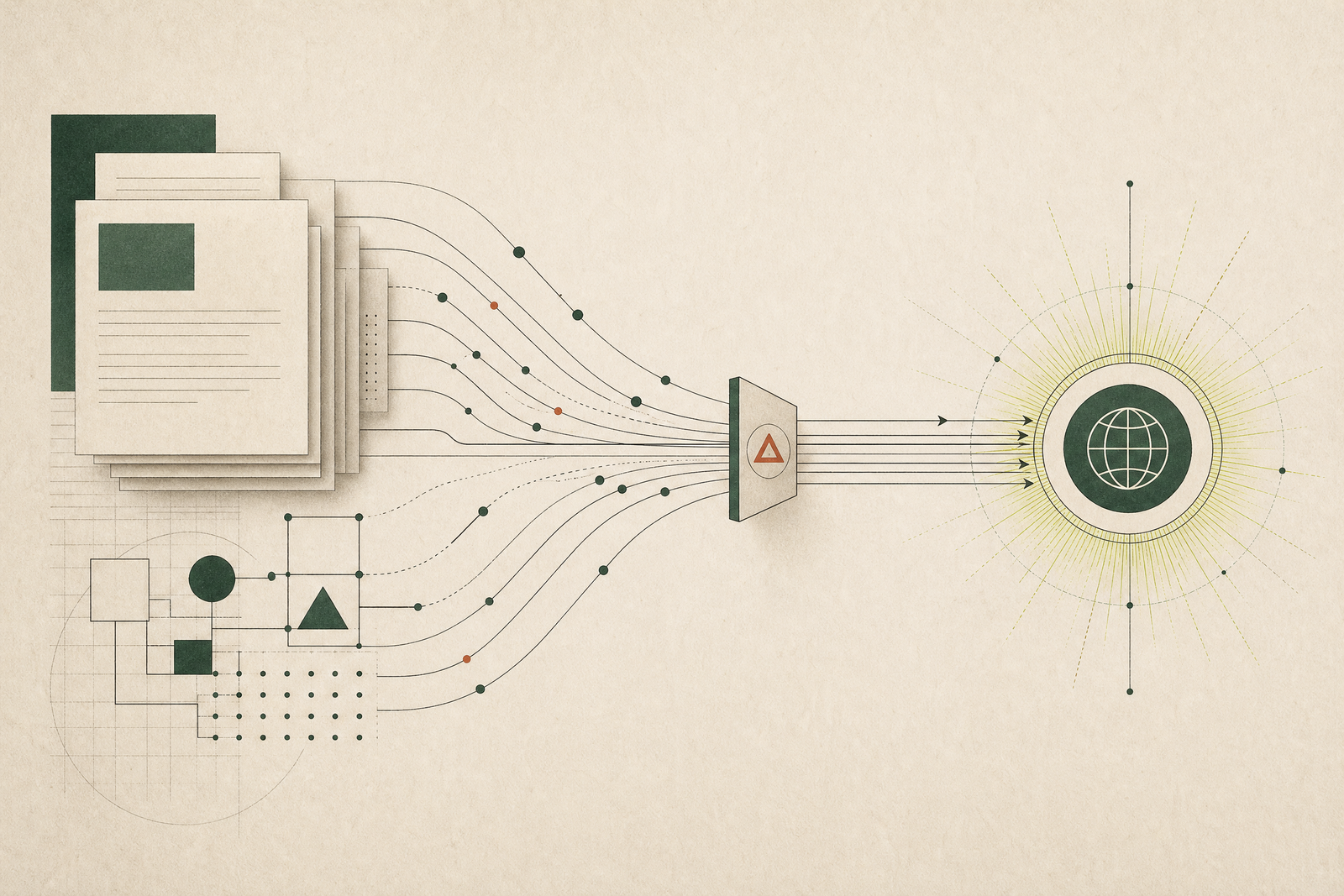
Can the page be reached and interpreted?
Does the markup explain what it represents?
Can a clear answer be extracted from the page?
Can a reader identify the accountable source?
Do public rules block selected AI agents?
This report measures citation readiness. It looks at public, repeatable signals that make a page easier to crawl, understand, and safely use. It does not invent a “ChatGPT rank” or claim to know which answer engines cite you today.
Live citation share, competitor sources, and answer quality need query-by-query testing across each engine. That is where a manual AliAEO audit begins not something a free script should pretend to replace.
AI search optimization is not one isolated trick. Strong public answers usually begin with a crawlable page, clear machine-readable context, direct human-readable answers, and visible trust signals. The report turns those foundations into a focused next-step list.
We check the public response, indexing directives, canonical signal, mobile viewport, robots file, sitemap, and selected AI-agent access rules.
We look for structured data, document language, page-level context, publisher clues, and clear titles and descriptions that match the visible content.
We assess heading structure, question-led sections, readable body text, lists, image descriptions, internal paths, and accountable source signals.
Use the free report to find public-page improvements. Use a deeper AliAEO audit when you need query-by-query research, source comparison, or an implementation plan.
It measures public citation-readiness signals: crawl and index access, semantic context, answer architecture, trust evidence, and selected AI crawler rules. It then explains the evidence behind the score and prioritizes practical improvements.
No. No free public script can reliably prove where every answer engine cites a website for every query. This tool checks the foundations that make a page easier to access and interpret; it does not promise live citations, rankings, or traffic.
No. Accurate structured data and helpful Q&A content can make a page clearer, but they do not guarantee a rich result, an AI Overview appearance, or a citation. Markup must represent the visible page truthfully, and every recommendation should serve real visitors first.
Robots rules can show whether selected AI user agents appear to be publicly blocked at the page root. This is context, not a visibility guarantee: access policies, crawling, indexing, and citations are separate things.
Start with the priority queue. Fix high-priority access and clarity gaps first, then improve the page’s specific answers, sources, author or business identity, and supporting internal links. Run another check after the changes, then use a manual audit for live-query research.